Date: 22 April 2026
At a time when climate change, inequality, and food insecurity are increasingly interconnected, one question sits at the heart of the global conversation:
What changes, if any, should we (the world) make to how we grow, share, eat, and use food, so that everyone has enough to nourish themselves, while tackling the causes and impacts of climate change?
This was the guiding question of the Global Citizens’ Assembly (GCA), a global initiative bringing together everyday citizens from diverse backgrounds to reflect, deliberate, and propose solutions to one of the most complex challenges of our time: transforming food systems.
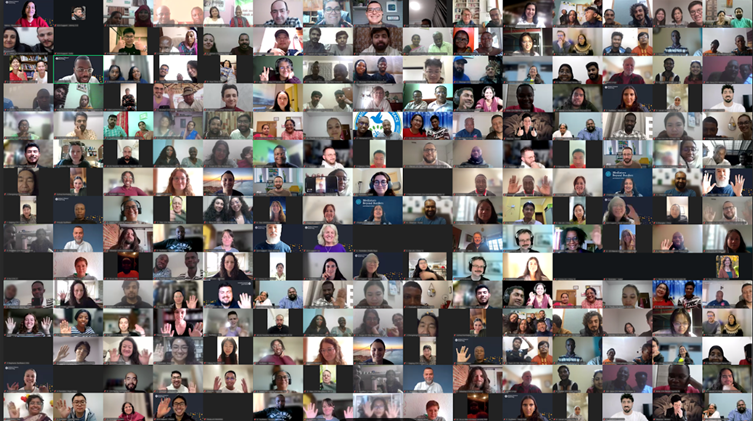
Figure 1. 105 assembly members participating in the GCA, source: GCA Assembly
The Global Citizen Assembly was created in response to growing concern that major global challenges, especially climate change, require more inclusive and democratic decision-making beyond traditional government negotiations. The initiative became a reality through collaboration between civil society organizations, academic institutions, and democracy innovation experts, with the ISWE Foundation acting as a key convener coordinating research, partnerships, and implementation.
A Global Assembly was launched in connection with the COP26 climate conference, where a representative group of citizens from around the world deliberated on the climate and ecological crisis and produced recommendations for policymakers.
Supported by a coalition of international partners, foundations, and research centres working to strengthen participatory global governance, the GCA aims to amplify diverse citizen voices in global discussions, improve the legitimacy and inclusiveness of international decision-making, and generate collective recommendations to guide governments and global institutions in addressing complex challenges such as climate change, inequality, technological transformation, and food system sustainability.
At Eedama, we contributed as a Community Host by recruiting and supporting an Assembly Member based in KSA throughout the process, ensuring their participation was accessible, inclusive, and meaningful through translation, contextualization, and technical support. The Assembly took place between January and March 2026, over approximately three months, and included 14 deliberation sessions.
A System Beyond Food
One of the most powerful realizations from the Assembly was that food is not just about what we eat. It is part of a much larger system, one that connects agriculture, environment, economy, culture, and health.
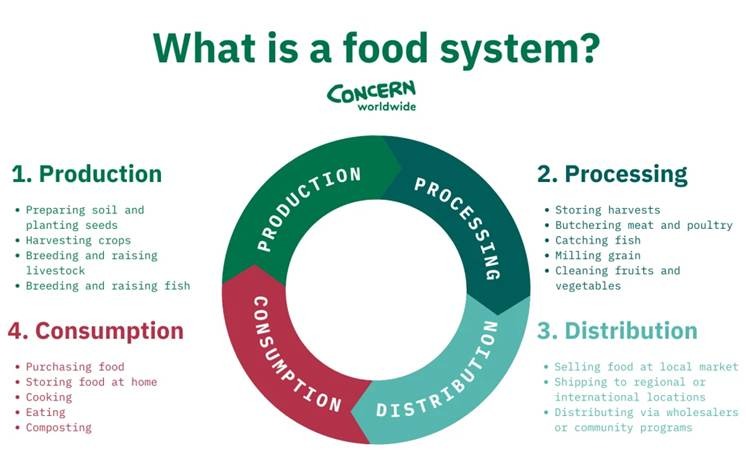
Figure 2. The four stages of a food system. Adapted from Concern Worldwide.
Over time, food systems have evolved from local, community-based models to highly globalized and industrialized structures. While this transformation has increased production and availability, it has also introduced significant challenges:
- Environmental degradation, including deforestation and biodiversity loss
- Heavy reliance on chemicals and resource-intensive practices
- Unequal distribution of food and benefits across regions
- A growing disconnect between people and the origins of their food
Today, many products are produced in lower-income regions and consumed in wealthier ones, reflecting deeper structural inequalities regarding which communities are affected and how.
For example, agricultural communities are often among the most economically vulnerable because their income depends directly on the stability of the food system. Any disruption, such as droughts, floods, conflict, supply chain breakdowns, price volatility, or changes in global trade policies, can immediately reduce crop yields, increase production costs, or limit access to markets.
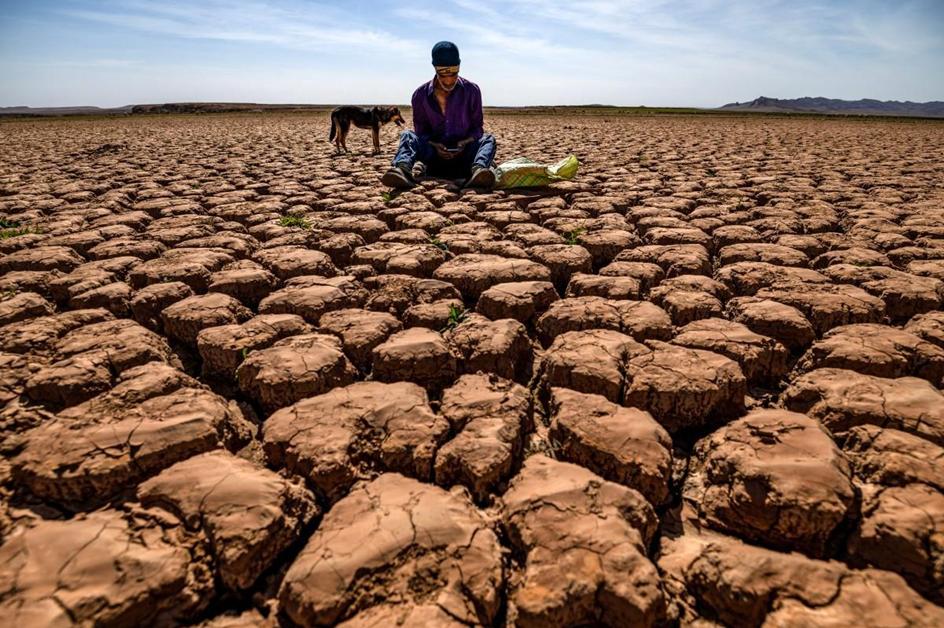
Figure 3. Drought in Morocco, AFP, via Independent Arabia
This can lead to loss of income, increased debt, food insecurity, and in severe cases, the complete loss of livelihoods. Because these communities rely on seasonal production with limited savings or social protection, even short-term shocks can have long-lasting economic and social consequences, including migration, school dropouts, or reduced access to healthcare.
In contrast, wealthier communities are typically less dependent on food production for their income and are therefore less directly exposed to livelihood loss when the food system is disrupted. Instead, they tend to experience indirect effects such as higher food prices, reduced availability of certain products, or limited variety due to supply chain interruptions. While these impacts may influence consumption patterns, dietary preferences, or household budgets, they rarely threaten basic economic security. Higher-income groups often have greater financial flexibility, diversified income sources, and access to alternative suppliers, which allows them to adapt more easily to changes in the food system. As a result, disruptions tend to deepen existing inequalities, disproportionately affecting those whose livelihoods are most closely tied to food production.
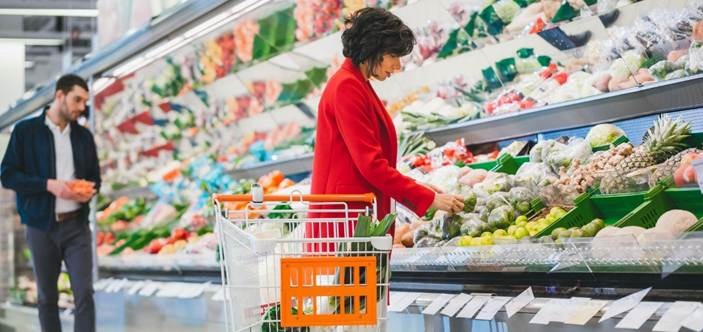
Figure 4. Food Choices in Supermarkets, source: GCA Assembly
From Individual Choices to System Responsibility
The Assembly challenged a common narrative: that food choices are purely individual. Instead, participants explored how our decisions are shaped by larger systems, from pricing and accessibility to policies and cultural norms.
For example, many people cannot easily choose sustainable or local food because labeling systems are unclear or underdeveloped, making it difficult to identify better options. In other cases, sustainably produced food is often more expensive than processed alternatives, limiting access for many communities. Additionally, government subsidies frequently favor large-scale industrial agriculture, influencing what is available and affordable in the market.

Figure 5. Grocery store aisle with labelled products. Available via: Grocery Dive.
The concept of the “superconsumer” emerged as a key insight, referring to consumption patterns, particularly in higher-income contexts, that place disproportionate pressure on the environment. This includes diets high in meat, processed, and imported foods, which require more land, energy, and resources, and are linked to deforestation and increased emissions. These patterns are not simply personal preferences, but the result of systemic structures that encourage overconsumption, such as aggressive marketing, global supply chains, and cultural shifts toward convenience-based diets.
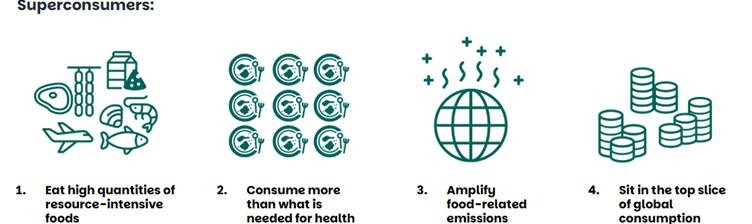
Figure 6. Superconsumers, source: GCA assembly.
This shift in perspective is critical: meaningful change requires transforming the system itself, not just individual behavior. For instance, assembly members highlighted the need for clearer food labeling, reforming subsidies to support sustainable farming, and regulating harmful chemicals, showing that real change depends on structural transformation rather than individual choices alone.
Navigating Trade-Offs
As discussions deepened, it became clear that there is no single solution. Participants explored the trade-offs between different approaches, particularly:
- Agroecology, which works with nature, supports biodiversity, and strengthens local communities
- Industrial systems, which enable large-scale production and global supply
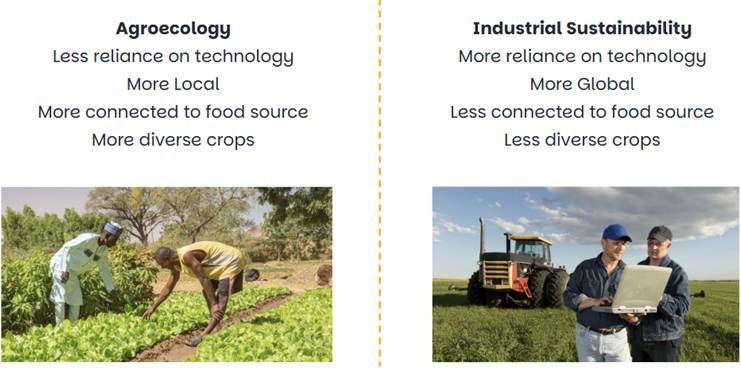
Figure 7. Agroecology and industrial Sustainability, source: GCA assembly
Rather than choosing one approach over the other, the Assembly emphasized the importance of balance, integrating sustainability with practicality to ensure food security, affordability, and resilience. While agroecology supports biodiversity and strengthens local communities, industrial systems can provide large-scale production during periods of shortage or crisis. Therefore, the Assembly highlighted a balanced model in which most food is produced through sustainable, local methods, complemented by efficient larger-scale systems to maintain stability and reliable supply.
From Dialogue to Action
Throughout 14 sessions, participants moved from understanding challenges to developing concrete actions. These were structured around four key themes:
- Food systems & agriculture
- Environment, climate & nature
- Urban life & infrastructure
- Society, culture & wellbeing
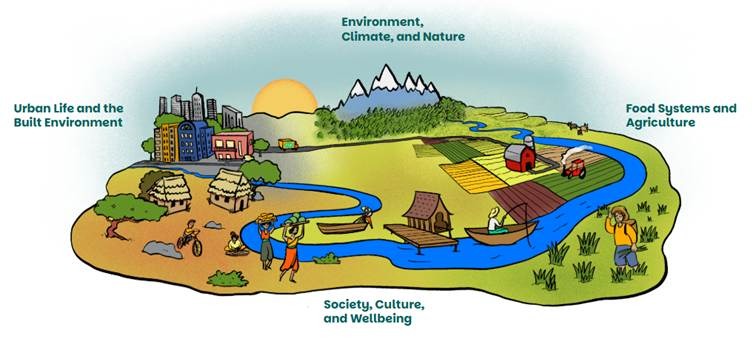
Figure 8. Food system components, source GCA assembly
Within these themes, participants proposed a wide range of actions, including:
Theme 1: Food Systems & Agriculture
- F1: Label food clearly and build consumer awareness
- F2: Reform subsidies and strengthen legal frameworks
- F3a: Give small-scale farmers fair terms and support
- F3b: Help farmers organise and know their rights
- F4: Train farmers and build their capacity
- F5: Make sure farming technologies work for people and the planet
- F6: Regulate harmful chemicals and fund independent research
- F7: Reduce food waste and make use of what remains
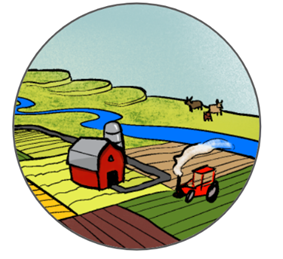
Theme 2: Environment, Climate & Nature
- E1: Protect forests by changing land use and reducing meat production
- E2a: Build a cultural movement for sustainable food habits
- E2b: Support voluntary family planning and raise awareness of population pressures

Theme 3: Urban Life and the Built Environment
- U1: Make space for nature and food growing in cities
- U2a: Invest in rural areas to keep farming communities strong
- U2b: Improve transport links between rural farms and urban markets
- U3: Redesign urban transport so everyone can access fresh food
- U4: Move vulnerable urban residents to safe housing
- U5: Protect farmland and forests as cities grow

Theme 4: Society, Culture and Wellbeing
- S1a: Ensure fair food access through coordinated, transparent systems
- S1b: Recognise food as a human right
- S2: Reconnect generations through shared food traditions
- S3: Protect and revive local food cultures
- S4: Record and pass on traditional farming knowledge
- S5: Deliver practical food and environmental education for everyone
- S6: Build shared responsibility for our food and climate future
- S7: Find ways to act together even when we disagree
- S8: Hold governments and companies accountable for environmental harm
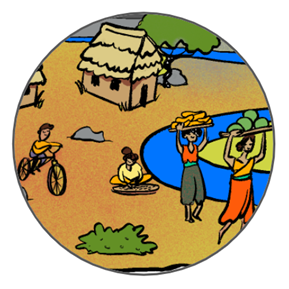
A Strong Global Consensus
One of the most striking outcomes of the Assembly was the level of alignment across participants.
- Most proposed actions received over 70% support
- Rejection levels remained extremely low, between 1% and 5%
This indicates a strong global consensus: despite differences in geography, culture, and experience, people share a common vision for the future of food systems.
A Strong Global Consensus
One of the most striking outcomes of the Assembly was the level of alignment across participants.
- Most proposed actions received over 70% support
- Rejection levels remained extremely low, between 1% and 5%
This indicates a strong global consensus: despite differences in geography, culture, and experience, people share a common vision for the future of food systems.
Table 1 – Most Supported Actions Across Assembly Members
| Code | Action | Support |
| S1 | Recognize food as a human right | 86% |
| F6 | Regulate harmful chemicals & fund research | 79% |
| S7 | Accountability (governments & companies) | 79% |
| S4 | Education for everyone | 78% |
| F7 | Reduce food waste | 77% |
| F4 | Train farmers | 76% |
| F2 | Reform subsidies | 72% |
| F3a | Support small farmers | 72% |
| F3b | Help farmers organize | 72% |
| F1 | Food labeling & awareness | 70% |
The Global Citizens’ Assembly highlights that transforming food systems is not only necessary but also possible when approached collectively and inclusively. Food is deeply interconnected with environmental, economic, and social systems, meaning that meaningful change requires addressing structural inequalities, not just individual behaviors.
Through this global process, the Assembly was able to identify meaningful starting points grounded in communities’ perspectives, ensuring that proposed solutions reflect real needs, lived experiences, and local realities. This bottom-up approach strengthens the relevance and legitimacy of the actions proposed.
The Assembly’s findings show that people across different regions share a common vision: a fairer, more sustainable, and resilient food system that ensures access for all while protecting the planet. Achieving this requires balancing local, sustainable practices with the efficiency of larger-scale systems, alongside reforms in policies, markets, and public awareness.
Ultimately, the path forward lies in shifting from fragmented actions to coordinated global efforts—where governments, communities, and individuals share responsibility. By turning dialogue into action, there is a real opportunity to reshape food systems into ones that nourish both people and the planet for generations to come, with outcomes shared through global platforms such as COP and other international climate forums, contributing to ongoing policy discussions and global action.